
Mexican Charro Beans
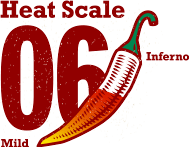
This chile pepper gets its name from its origin. In Spanish, serrano is an adjective meaning “from the mountains” which is where it originated-in the mountains of Hildalgo, Mexico. The serrano is normally about twice as hot as Jalapeno (about 10,000 to 15,000 Scoville units). It is the second most popular chile pepper in Mexico. This chile is used mostly for salsas but can also be used in soups, sauces, chili or stews. Try these as a hotter substitute for Jalapeno.

Ingredients
For the initial cooking of the beans (Frijoles de Olla):
½ pound dried beans (either black or pinto beans are traditional; if you prefer to used canned beans, see Notes)
5 cups water
1 tablespoon lard (preferably leaf lard; may substitute bacon drippings or olive oil—see Notes)
½ medium onion (white onion is traditional, although yellow works too)
2 garlic cloves
2 sprigs of epazote if using black beans (very optional; see Notes)
2 teaspoons Kosher salt (or to taste)
For assembly of the Charro Beans:
4 slices thick bacon (see Notes for substitutions)
2 additional garlic cloves
3 to 4 jalapeño and/or serrano pepper chiles (to taste; see Notes)
2 to 3 tablespoons chopped cilantro (to taste)
~¾ of a 15-ounce can diced tomatoes (reserve the remainder for garnish, or use for another purpose)
salt to taste
freshly ground black pepper to taste
garnish of chopped white onion, sliced jalapeño and/or serrano peppers, or diced tomatoes
Procedure
For the initial cooking of the beans:
Sort through the dried beans, removing any grit or stones. Rinse the beans, then place them in a 3- to 4-quart cooking pot. Add the water, then add the lard to the pot. (If using canned beans, you can skip this part of the recipe and proceed to the “assembly” section below; see Notes).
Peel the onion and cut it into dice of ½ inch or so. Add the diced onion to the cooking pot. Peel the garlic and mince it finely. Add the minced garlic to the cooking pot.
Bring the cooking water to a boil, then reduce it to the merest simmer. Cover the pot, then set a timer for 2 hours (1½ hours if using pinto beans). Add more water during cooking if too much evaporates (the finished dish should be brothy).
When the timer goes off, add the epazote (if using) and the salt. Cook for an additional 30 minutes, or until the beans are tender but still firm.
We recommend cooking the beans a day ahead of time. If doing so, take the beans off the heat at this point and cool them in the cooking broth; then refrigerate the cooked beans and broth in an airtight container until you’re ready to assemble the Charro Beans. If you prefer to cook the beans and assemble the finished dish all in the same day, you can move on to assembling the Charro Beans at this point (see below).
For assembly of the Charro Beans:
If you’ve cooked the beans a day or so ahead and chilled them, add the beans and broth to a 4-quart saucepan and turn the stovetop heat to medium low (to begin warming the beans). If you are cooking the beans and assembling the final dish all in one day, begin assembling the Charro Beans after Step 4 in the Procedure above.
Cut the bacon into pieces of 1 inch or smaller. Place the bacon pieces in a cold frying pan over medium stovetop heat, then cook the bacon until it begins to brown and turn crisp (5 to 8 minutes).
While the bacon is browning, continue with the rest of the prep work: Peel the garlic and slice it thinly or mince finely. Set aside.
Wash the jalapeño and/or serrano peppers, cut off their stems, then slice each pepper lengthwise. Using a teaspoon or soup spoon, scoop out the seeds (the oil from the seeds will definitely be hot; keep fingers away from your eyes). Mince the peppers finely (reserving a slice or two of pepper for garnish, if you wish). Set aside. Now wash your hands with soap and water to remove the hot pepper oil from your skin.
Wash the cilantro and chop it finely (both leaves and stems). Set aside.
Once the bacon is beginning to brown, add the minced garlic and chopped peppers; cook for 1 minute. Then add the chopped cilantro and the diced tomatoes; cook for an additional 10 minutes.
Scrape the bacon mixture into the cooking pot that contains the beans. Stir to combine, then taste the beans. Season with salt and freshly ground black pepper if necessary. Simmer for 15 minutes.
Serve with a garnish of chopped white onions, slices of jalapeño and/or serrano pepper, or diced tomatoes.
Notes
You can use any kind of dried bean in this dish, but pinto or black beans work best, in our opinion.
If using canned beans, you can skip the first part of the preparation instructions (entitled “For initial cooking of the beans”). Instead, open two 15-ounce cans of beans and drain them into a colander or large strainer. Rinse off the gunk the beans are stored in. Then add the beans to a 4-quart cooking pot and proceed with Step 1 of the assembly instructions (entitled “For assembly of the Charro Beans”).
Epazote is a strongly flavored herb (somewhat similar to anise, but stronger; some people compare it to turpentine). It’s often used with black beans in order to reduce their tendency to produce digestive “gas.” You can find it in any Mexican market (and in many supermarkets throughout the southwestern US). But just omit it if you can’t find it.
Lard is the fat of choice for Mexican cooking. It adds a rich smoothness and wonderful mouthfeel to beans.
Although lard has a reputation for being “unhealthy,” it actually contains less saturated fat than butter. And even though it’s made from rendered pork fat, high-quality lard doesn’t add a “porky” flavor.
It can be a bit tricky to find good lard. Most of the commercial lard sold in supermarkets is hydrogenated, which makes it shelf stable. Problem is, hydrogenation helps form trans fats—which are not good.
Shopping online is usually the best way to find pure rendered lard (leaf lard is the best). Many butchers also sell it.
If you don’t have access to decent lard, you can substitute rendered bacon fat or olive oil in this recipe.
You can use any kind of onion in this dish. But in Mexican cooking, it’s typical to use white onion (which has a sharper flavor than yellow).
Serrano peppers (which are a bit hotter than jalapeños) are traditional in this dish. But we like to use a mix of both.
If you don’t want to use serrano or jalapeño peppers, you can substitute a tablespoon or two of dried ancho chile pepper powder.
We like to use bacon in this dish, but Mexican chorizo makes a nice substitute. Or try some chunks of ham.
You can easily turn Charro Beans into Borracho Beans (drunken beans): During the last 15 minutes or so of cooking, just add ½ to ¾ bottle of beer to the beans. The cook gets to drink the leftover beer.
From kitchenriffs.com